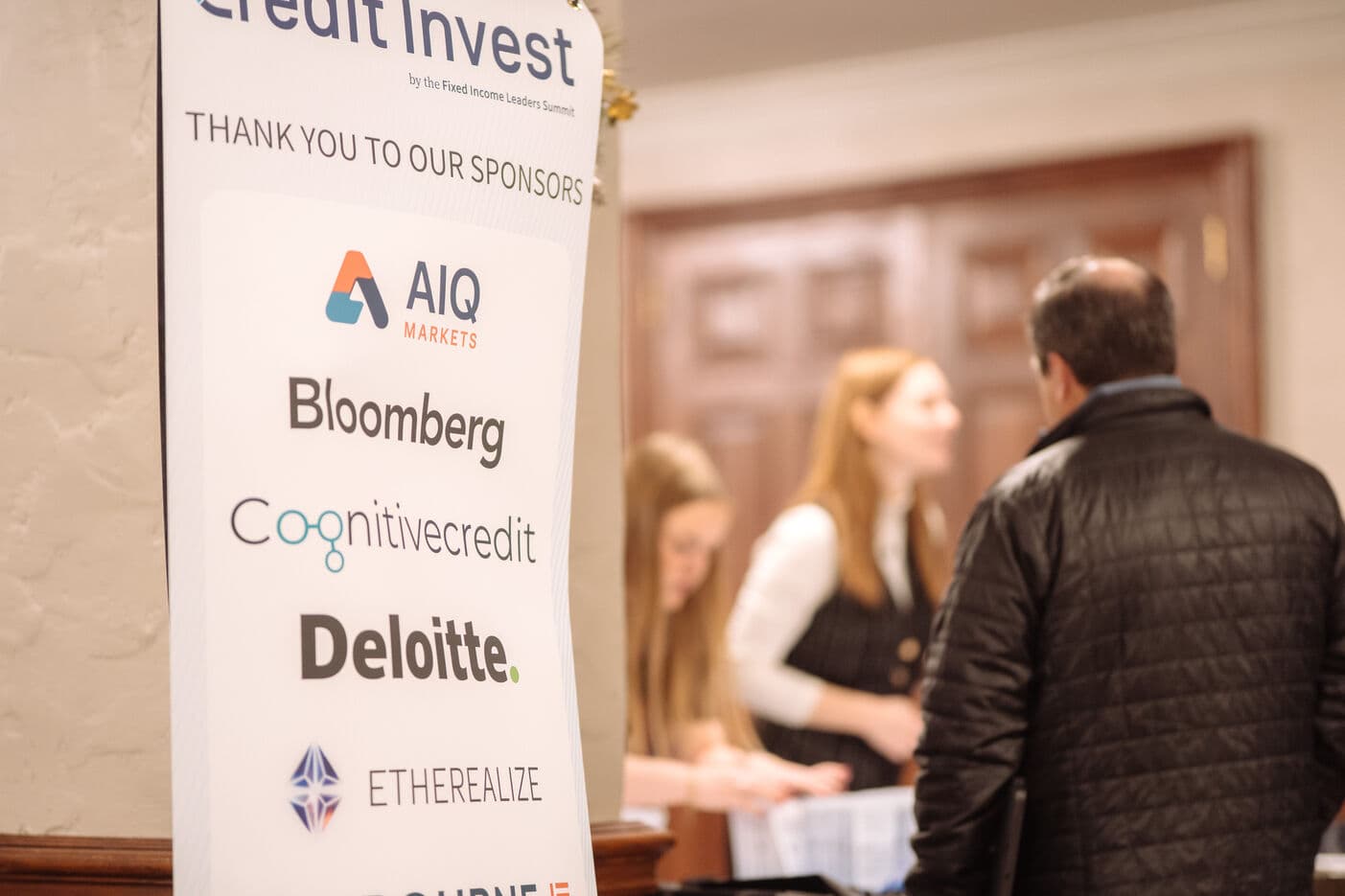

Brandon (AIQ Markets' CTO) and I attended FILS Credit Invest Boston in December. We put AIQ Insight in front of a concentrated audience of some of fixed income's top credit traders, portfolio managers, and advisors.
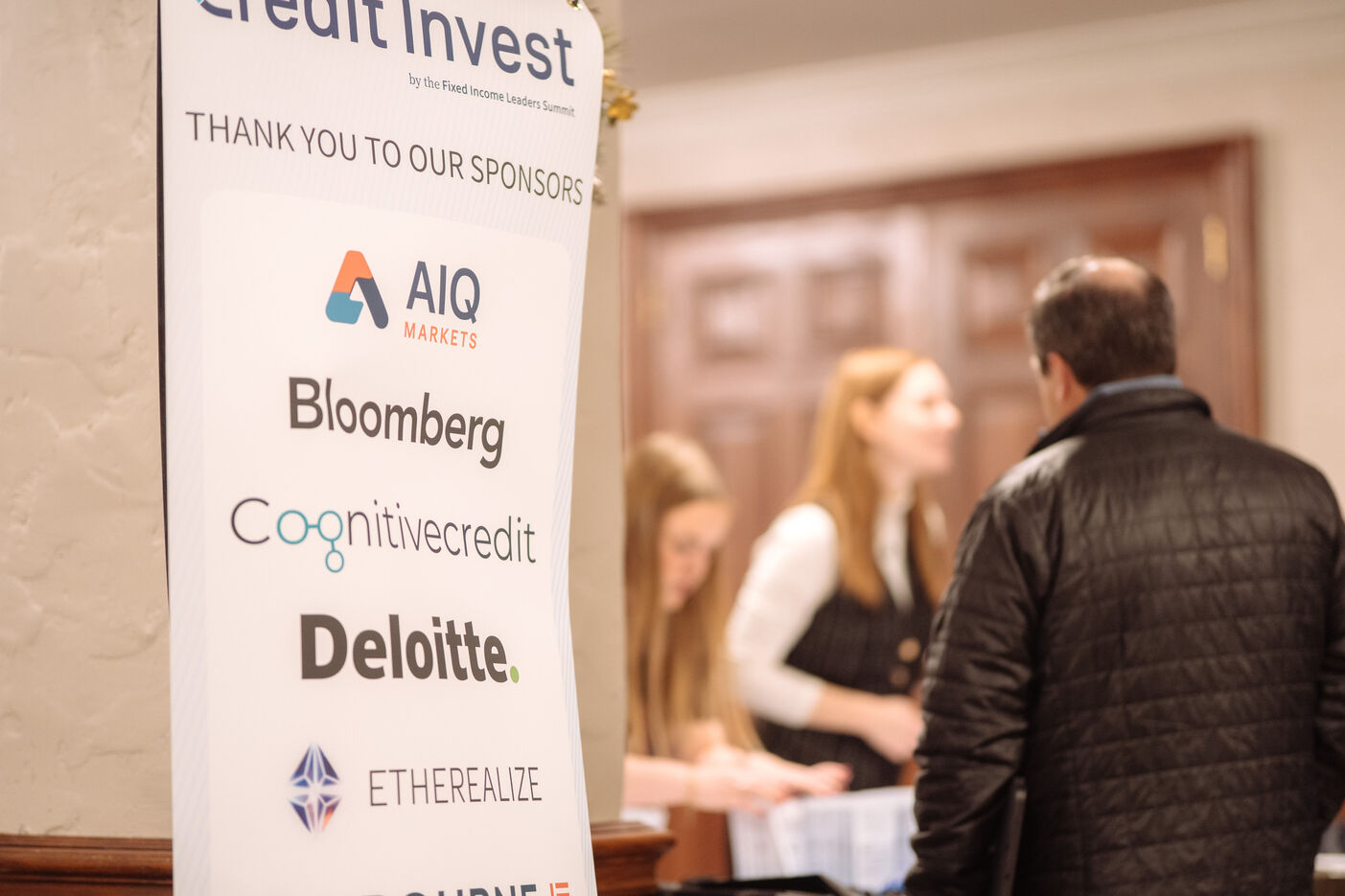
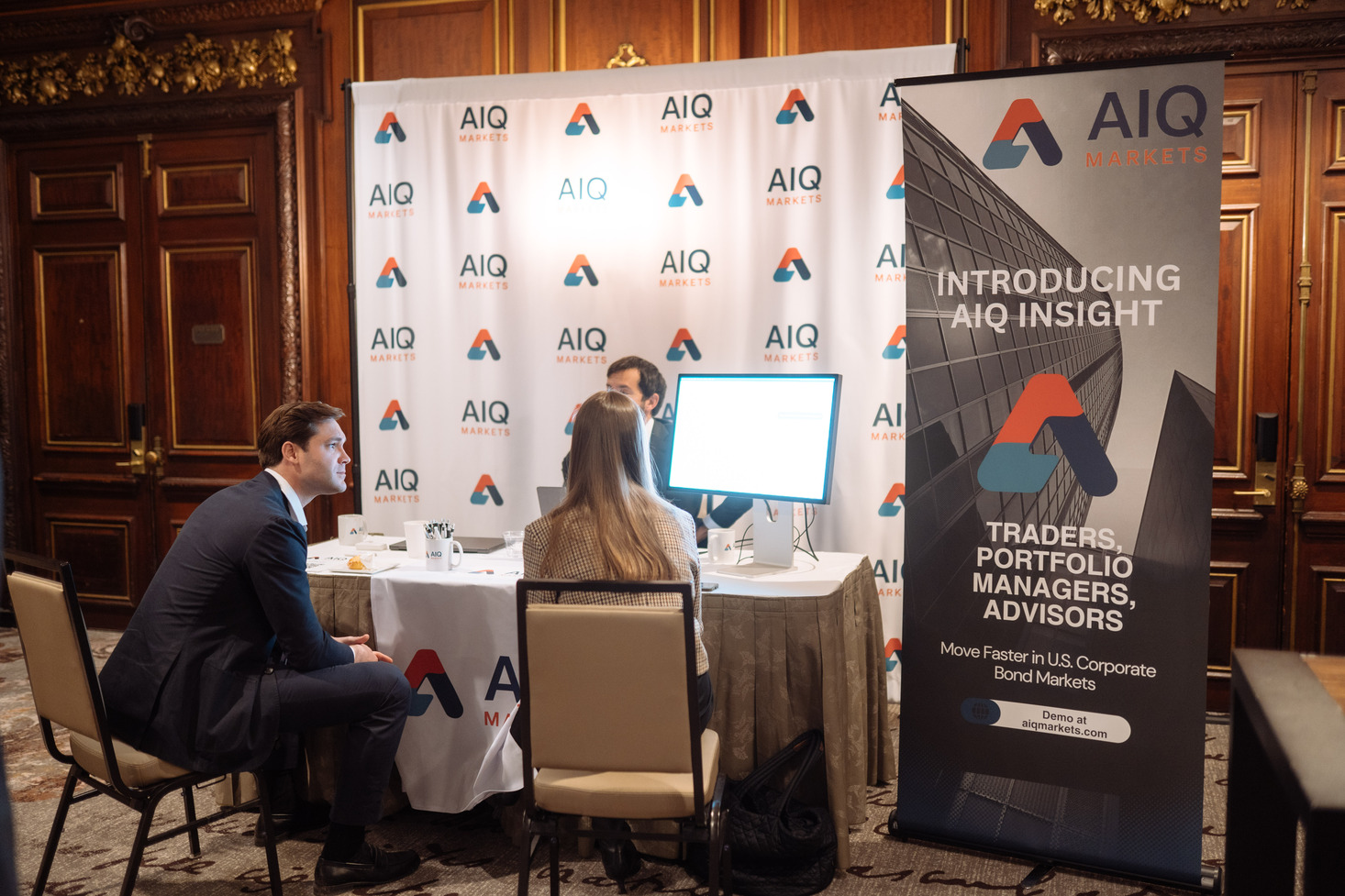
For two days our booth effectively ran under an "Ask me anything about U.S. Corporate Bonds" banner. We invited people to try to "break" the system with the kinds of messy, time-pressured questions they face every day. AIQ Insight held up.
What AIQ Insight handled well
AIQ Insight handled a variety of questions well. In a few seconds we pulled up 35 CUSIPs sorted by today's volume, generated ladder ideas in industrial names, and showed duration-bucketed views of a custom high-yield portfolio. Traders asked for "look-alike bonds" and received same-sector, similar-spread, similar-maturity ideas in 3-4 seconds. Portfolio managers explored sector rotation suggestions based on what was actively trading, and we showed the tool skillfully thinking through trader execution strategies for a $20 million position. Broad prompts like "What's happening in Energy bonds right now?" turned into structured summaries tied to underlying data.
Sharpening our roadmap
These conversations also sharpened our roadmap. We left with clear priorities: make G-spreads and spread-to-benchmark a first-class concept in the product; extend coverage to private placements and key index constituents; tighten evaluation so that traders can see exactly why the AI is suggesting a particular bond; and expose raw data and links so users can validate everything quickly.
Conversations with market leaders
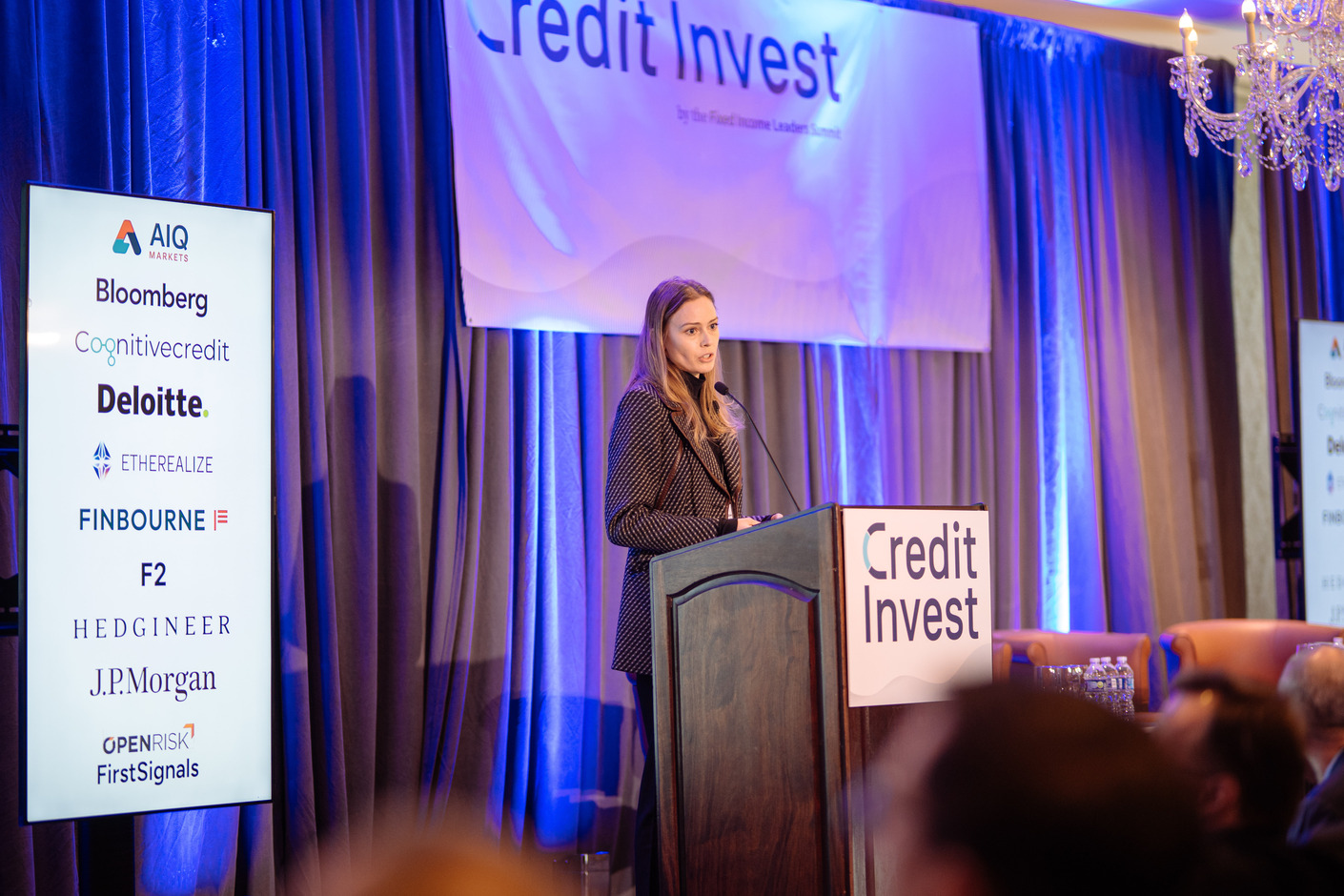
Some of the market leaders were in the room. We spent time with a major electronic trading platform, exploring how AIQ Insight could sit inside their workflows and leverage their data to guide execution and protocol selection. A leading U.S. insurer pressure-tested AIQ Insight on high-yield discovery and monitoring. A global bank's investment-grade team highlighted the importance of data coverage and advanced spread metrics as table stakes for institutional desks. A large asset manager pointed out that any new software must be an order of magnitude better than existing tools to justify overcoming inertia (fixed income professionals have the attention span of a fish).
At the same time, we heard consistent enthusiasm for what already differentiates AIQ Insight: flexible search that tolerates messy inputs; powerful portfolio-level views (duration buckets, ladders, sector tilts); and a focus on "what should I do next?" rather than "what does the data look like?" We have built something the fixed income world has not seen before.
Reinforcing our vision
The event reinforced our vision. The market does not want yet another screen of bond data; it wants an AI co-pilot that sits next to the market professional, understands their intent in plain English, and actively proposes concrete, risk-aware actions. The feedback in Boston confirmed that success will come from depth, not breadth: we must solve specific U.S. corporate bond workflows extraordinarily well before expanding into adjacent markets.
Every day, the product moves closer to that goal. Many of the gaps identified at FILS are already in motion on our roadmap, alongside new features that will make AIQ Insight an even more capable partner for credit investors. The experience in Boston was both a stress test and a strong signal: demand for an intelligent, actionable bond assistant is real, and we are in pole position to deliver it for our customers.